
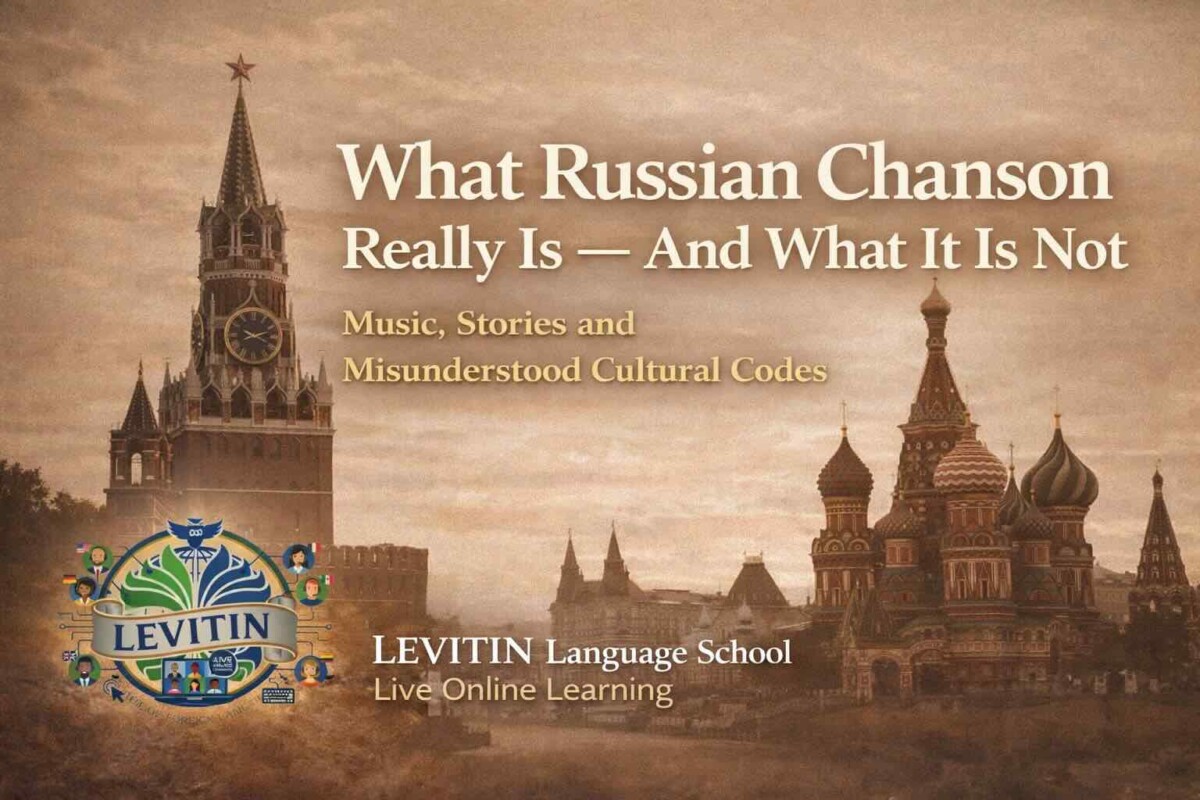
Music, Stories and Misunderstood Cultural Codes
Music often becomes the first place where people encounter unfamiliar cultural language.
Many words, expressions and social archetypes travel through songs long before they appear in everyday speech.
One of the most misunderstood musical terms in the Russian-speaking world is Russian chanson.
Outside the region, the term often sounds mysterious.
Inside the region, it is frequently misunderstood.
Some people believe that chanson automatically means prison music.
Others think it represents criminal culture.
Neither assumption is correct.
To understand the language and cultural influence of this genre, we first need to understand what the word chanson actually means.
The Original Meaning of the Word “Chanson”
The word chanson comes from French and literally means song.
In France, chanson refers to a tradition of lyrical music performed by singer-songwriters.
Artists such as Édith Piaf, Jacques Brel and Charles Aznavour represent this style.
French chanson focuses on:
- storytelling
- poetic lyrics
- emotional performance
- personal narratives
It is closer to literary music than to any specific social subculture.
When the word entered Russian musical vocabulary, however, it began to evolve in a different direction.
How Russian Chanson Became a Separate Genre
Russian chanson developed from several overlapping traditions:
- urban romance songs
- bard music and author’s songs
- city ballads
- migration and nostalgia songs
- and sometimes songs about prison life
Because prison themes existed in part of this musical tradition, the entire genre gradually became associated with that imagery.
But the reality is far more complex.
Most Russian chanson songs are narrative ballads about life, not criminal manifestos.
They describe:
- love
- fate
- friendship
- betrayal
- nostalgia
- personal struggle
In many ways, Russian chanson functions as urban storytelling through music.
The Difference Between Prison Songs and Chanson
It is important to separate two very different things:
Prison folklore
and
Russian chanson as a musical genre
Prison folklore represents songs created inside a specific environment with its own internal codes and language.
Chanson, however, includes a much broader cultural landscape.
Many well-known performers in this genre wrote songs that contain:
- philosophical reflections
- romantic narratives
- reflections about life and time
Reducing the entire genre to prison culture ignores its literary and emotional depth.
Why These Songs Influence Language
Music is one of the fastest ways language spreads through society.
A phrase appears in a song.
People repeat it.
Eventually it enters everyday conversation.
Sometimes the original meaning fades.
Sometimes the cultural weight remains.
This is why certain words associated with street culture or loyalty codes appear in popular lyrics.
Listeners repeat them without always knowing the historical context behind them.
The result is a fascinating linguistic phenomenon:
music becomes a bridge between language, culture and identity.
Music, Identity and Cultural Perception
In many societies, music does more than entertain.
It shapes identity.
Songs can express:
- regional identity
- cultural memory
- emotional experiences
- social narratives
Russian chanson, like many storytelling traditions around the world, reflects the life of ordinary people navigating complex realities.
This does not mean the music promotes any specific social code.
It simply reflects stories that resonate with listeners.
The same phenomenon exists in many cultures.
American country music, Brazilian favela funk, German street rap and Spanish urban ballads all tell stories connected to their environments.
Music becomes a mirror of society.
Understanding Music Without Adopting Its Codes
One of the most important cultural skills is learning how to separate artistic expression from personal identity.
A song can tell a powerful story without asking the listener to become part of that story.
Understanding the context behind music allows people to appreciate cultural expression without misunderstanding its meaning.
Language learners in particular benefit from this awareness.
When people hear unfamiliar phrases in songs, curiosity is natural.
But context always matters.
Learning where expressions come from helps avoid confusion and misunderstanding.
Language, Culture and Responsible Communication
At Levitin Language School – Live Online Learning, language education goes beyond vocabulary and grammar.
Understanding culture is essential to understanding language itself.
Music, literature and everyday speech all interact with each other.
Recognizing how these influences shape communication helps learners navigate different environments with confidence.
The goal is not to imitate every expression we hear.
The goal is to understand it.
And understanding language means understanding the world in which it lives.
A Continuing Exploration of Language and Cultural Codes
This article continues our exploration of how language, music and culture influence each other.
In the next part of the series, we will look at how certain words travel across languages and why some expressions cannot be translated directly.
Because sometimes a word is more than vocabulary.
Sometimes it carries an entire cultural story.
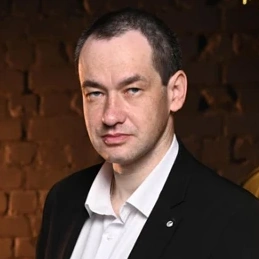
Tymur Levitin
Founder of Levitin Language School – Live Online Learning
Language educator with over 20 years of international teaching experience.
© Tymur Levitin. All rights reserved.