
Language. Identity. Choice. Meaning.
👉 Choose your language
One Cream, Two Countries
Order coffee with whipped cream in Germany, and you’ll get Sahne.
Order the same thing in Austria, and you’ll get Obers —
the same dairy product, but wrapped in a completely different linguistic world.
Much like Topfen vs Quark or Marille vs Aprikose,
Obers vs Sahne shows how one ingredient becomes two identities.
Where the Words Come From
Sahne — Germany’s Standard Word
The term Sahne comes from Middle High German sane — “fatty surface of milk.”
It describes the substance directly.
In Germany, this is the one and only standard word across the country.
Obers — Austria’s Culinary Tradition
Obers comes from oberste Schicht — “the top layer (of milk).”
Originally: the layer of cream that rises naturally to the top.
Austria kept the imagery.
Germany kept the product.
Same cream. Two linguistic philosophies.
What Speakers Actually Hear
In Germany
Sahne = neutral, universal, used everywhere — cafés, supermarkets, recipes.
If you say Obers, it sounds Austrian, charming, and a bit unusual.
In Austria
Obers = the default.
Sahne = technically correct but “too German,” slightly foreign in everyday use.
Austria also uses precise subtypes:
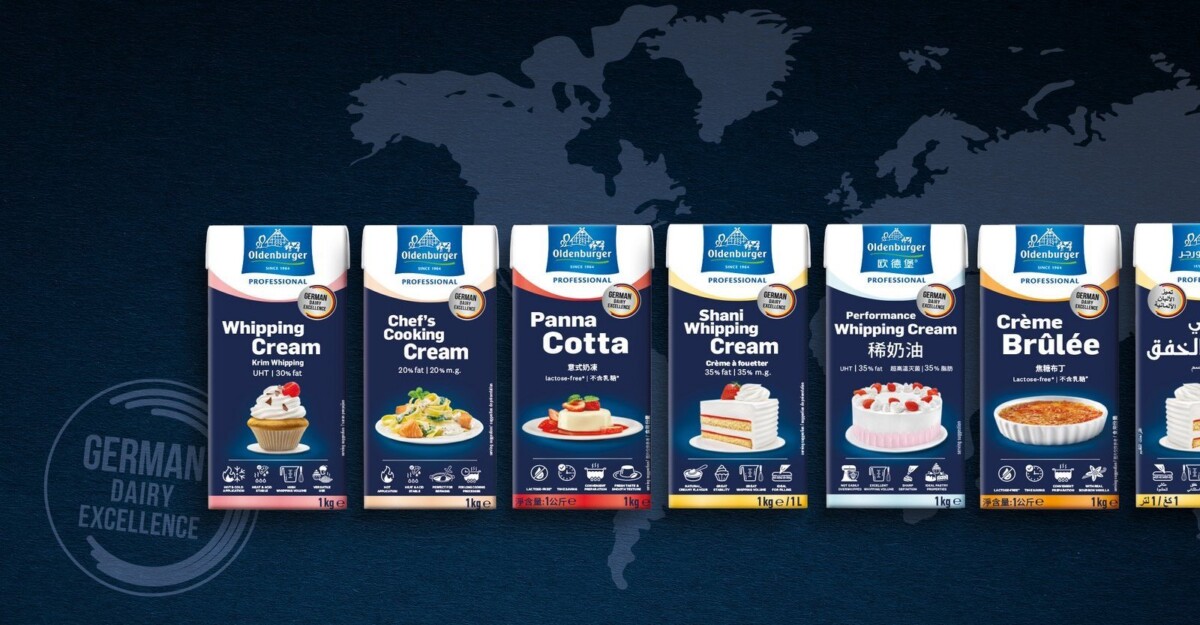
- Schlagobers — whipped cream (the famous one in coffeehouses).
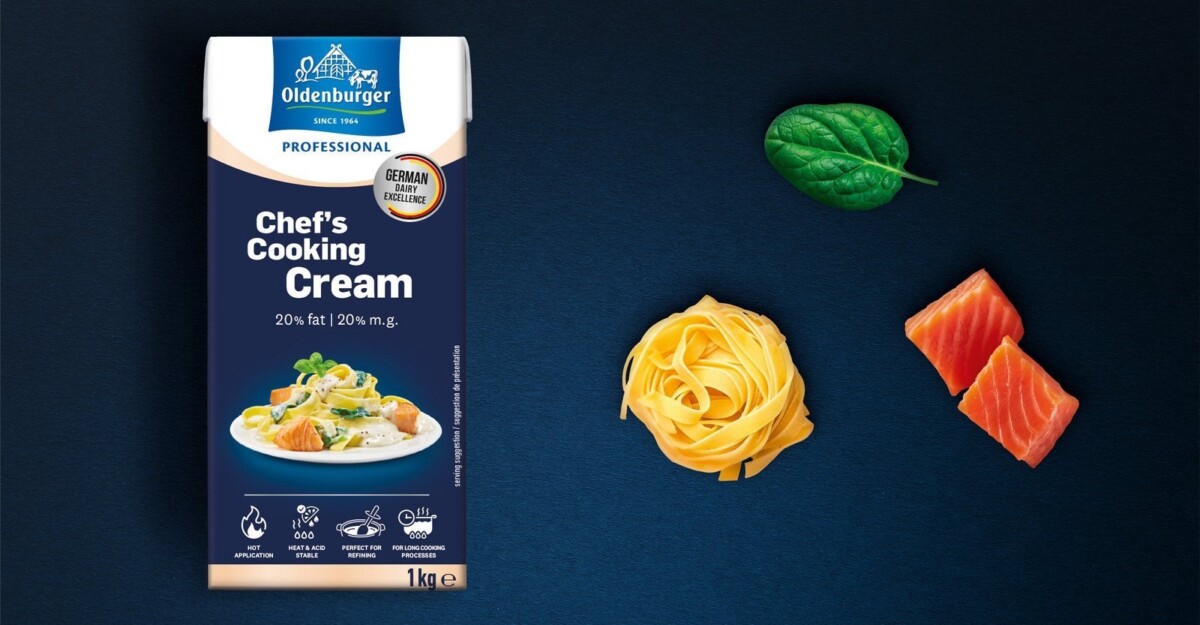
- Kochobers — cooking cream (for sauces).
- Süßes Obers — sweet cream (higher fat content).
Germany simply calls all of this Sahne (with adjectives if needed).
Mini Dialogues
Austria:
— Einen Kaffee mit Schlagobers, bitte.
— Kommt sofort.
Germany:
— Einen Kaffee mit Sahne, bitte.
— Gerne.
Cross-border situation:
German in Vienna: Mit Sahne, bitte.
Waiter smiles: Meinen Sie Schlagobers?
Meaning: We understood you — but you’re not from here. 😉
Cross-Language Echoes
Languages tell the same story:
- French: crème — neutral, universal.
- Italian: panna — close to German Sahne.
- Czech/Slovak: smetana — resembles the old meaning of “milk fat layer.”
- English: cream — directly describes the product.
Austria is the only one that keeps the poetic image of the “top layer” — Obers.
Why This Difference Matters
Food words reveal identity.
Cream is cream — yet speakers consistently choose the form that makes them feel local.
Sahne = German precision.
Obers = Austrian warmth, tradition, coffeehouse culture.
When you use the “wrong” one, people don’t judge —
they instantly know where you come from.
That’s linguistic belonging.
Conclusion
Obers vs Sahne isn’t about cream —
it’s about how two countries name the same taste differently.
Say Sahne in Germany — you’re home.
Say Obers in Austria — you’re home.
Different words, same flavor — exactly how language keeps cultures alive.
🔗 Related Articles (Internal)
- Topfen vs Quark — The Same Dairy, Different World
- Marille vs Aprikose — One Fruit, Two Names
- Semmel vs Brötchen — How Germany and Austria Order the Same Bread
- Paradeiser vs Tomate — Why Austrians Don’t Eat Tomatoes
Series: Regional German
👤 Author: Tymur Levitin — founder, director & lead teacher, Levitin Language School
© Tymur Levitin, Levitin Language School


