
Skip to content

conditionals

When to Use “Are,” “Were,” or “Ain’t” — Even with I, He, She, It? A Complete Guide for Learners
English

When to Use “Are,” “Were,” or “Ain’t” — Even with I, He, She, It? A Complete Guide for Learners

Learn a language with structure, meaning, and real-life logic at LevitinTymur.com and explore more language paths through the US site pages that support the ecosystem at languagelearnings.com. English learners are often told a rule that sounds simple: I am, he is, they are; I was, he was, they were. Then real English begins, and the […]

Tymur Levitin | LEVITIN SCHOOL Tymur Levitin
• 21.03.2026 • 12 min read
Read full article

conditionals

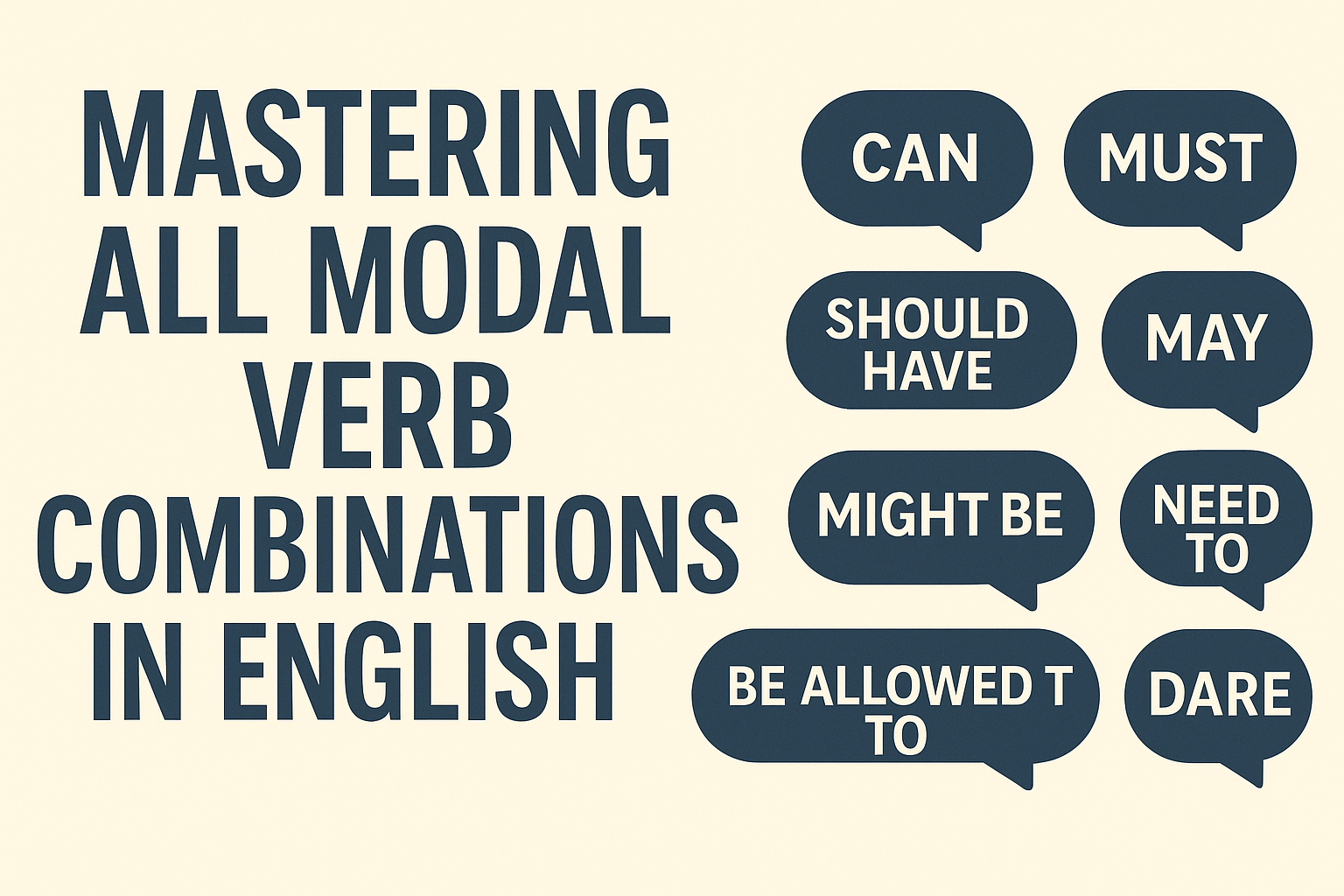
Mastering All Modal Verb Combinations in English: Beyond the Basics | LEVITIN SCHOOL
15.07.2025

Mastering All Modal Verb Combinations in English: Beyond the Basics

Author’s Column | Tymur Levitin on Language, Meaning and Respect

Author: Tymur Levitin, founder, director, teacher and interpreter at Levitin Language School.🌍 Choose your language Why Modal Verbs Are More Than Just “Can” and “Must” Most learners know the basics: can, must, should, may. But modal verbs are far more than that — they’re how English expresses attitude, logic, prediction, criticism, doubt, and permission in the subtlest ways. […]

Tymur Levitin | LEVITIN SCHOOL Tymur Levitin
Read more →