English grammar explained
English
👉 Choose your language Why Learners Mix Them Up Both just and already are often used with the same tense — especially Present Perfect — but they do not mean the same thing.The difference is not grammatical. It’s semantic and psychological: time perception. Just — A Very Recent Action We use just when something happened […]
 Tymur Levitin
English
For many learners, English grammar feels confusing and sometimes even chaotic. Students often say: “English grammar has too many rules.”“Nothing seems logical.” But the truth is different. In most cases, English grammar does not feel difficult because it is complex. It feels difficult because it is explained incorrectly. Understanding the logic behind English grammar changes […]
Tymur Levitin
English
Choose your language → One of the most common mistakes English learners make is confusing since and for. Both are used to talk about time, but they are not the same. Let’s clear it up once and for all. The Core Difference Think of it this way: since answers when it started, and for answers […]
Tymur Levitin
English
👉 Choose your language Why These Three Words Cause Confusion Still, yet, and already often appear in the same tense — especially Present Perfect — but they describe very different moments in time. Learners confuse them because grammar books explain rules, not logic. Let’s fix that. Still — A Situation Continues We use still when […]
Tymur Levitin
English
How to Study English Effectively with Real Understanding, Not Memorization Choosing to learn English online is no longer an alternative — for many learners, it is the most effective and realistic option. But online learning only works when it is built on understanding, structure, and real human interaction — not on apps, tricks, or endless […]
Tymur Levitin
Author’s Column | Tymur Levitin on Language, Meaning and Respect
At Start Language School by Tymur Levitin / Levitin Language School we teach students not only grammar but also perspective. Language is not a static list of rules — it’s a living rhythm, and emphasis is one of its strongest instruments. Most learners think that English word order is fixed. True, it is stricter than […]
Tymur Levitin
Author’s Column | Tymur Levitin on Language, Meaning and Respect
The Logic of Moral Obligation in English and Other LanguagesBy Tymur Levitin, Founder and Senior Instructor, Levitin Language School (Start Language School by Tymur Levitin) At Levitin Language School, we don’t teach rules. We teach meaning.And few words are more misunderstood than the simple word: “should.” Is it a recommendation?A moral duty?A social expectation?A soft command? The […]
Tymur Levitin
Author’s Column | Tymur Levitin on Language, Meaning and Respect
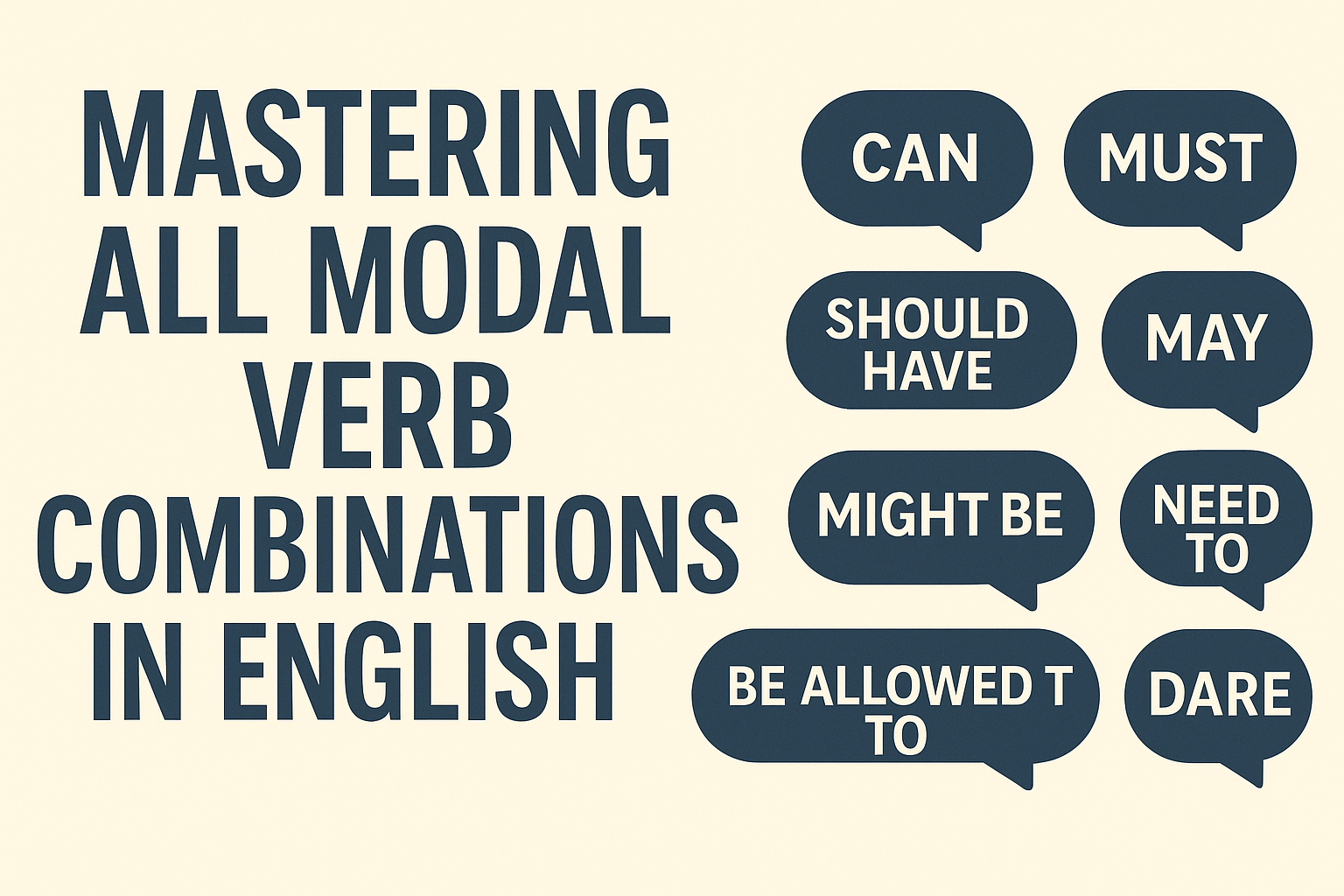
Author: Tymur Levitin, founder, director, teacher and interpreter at Levitin Language School.🌍 Choose your language Why Modal Verbs Are More Than Just “Can” and “Must” Most learners know the basics: can, must, should, may. But modal verbs are far more than that — they’re how English expresses attitude, logic, prediction, criticism, doubt, and permission in the subtlest ways. […]
Tymur Levitin


 Tymur Levitin