Skip to content

German conjunctions

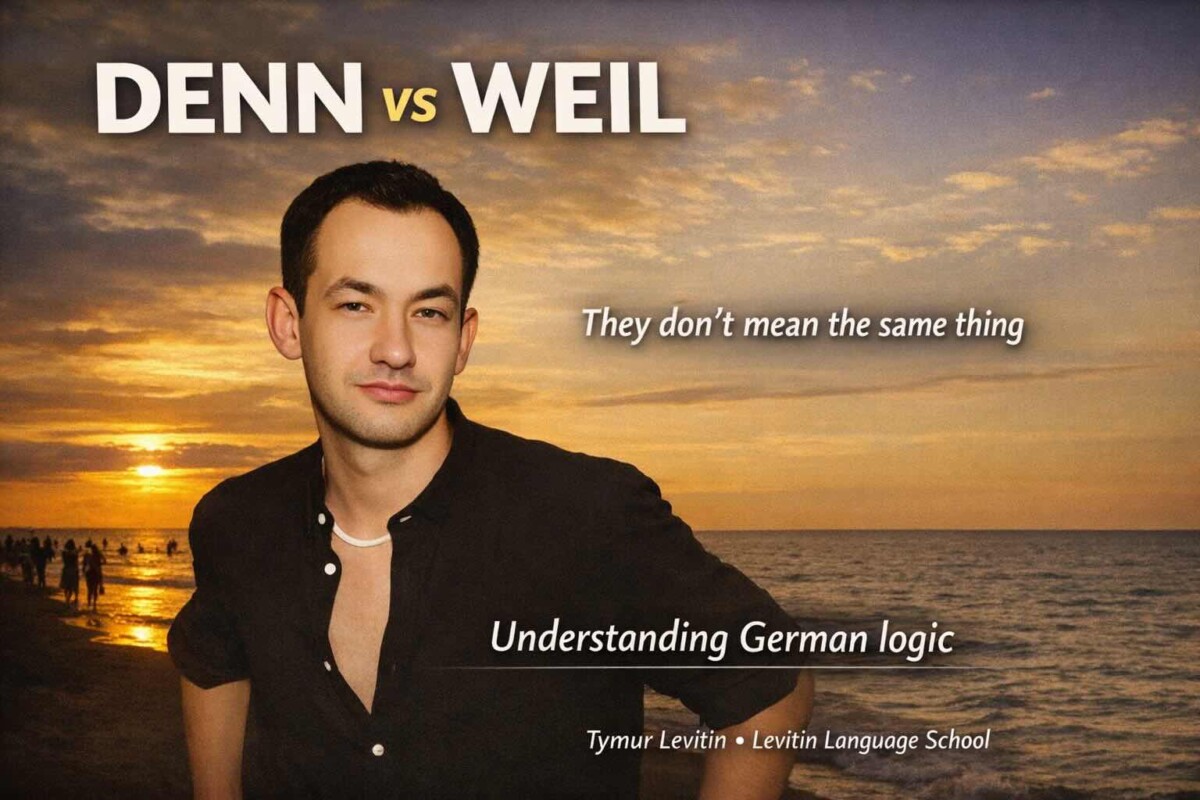
Why German “Because” Confuses Learners: Weil vs Denn Is Not Grammar
Why German “Because” Confuses Learners: Weil vs Denn Is Not Grammar | LEVITIN SCHOOL
German

Why German “Because” Confuses Learners: Weil vs Denn Is Not Grammar

Many students ask the same question: What is the real difference between weil and denn? Both mean “because”. Why does German need two words? They are usually given a simple rule: The student memorizes it.The student passes exercises.And then — in real conversation — the student hesitates every single time. Because the problem was never […]

Tymur Levitin | LEVITIN SCHOOL Tymur Levitin
• 22.02.2026 • 3 min read
Read full article

German conjunctions

Why German Word Order Makes Sense — If You Look Closer | LEVITIN SCHOOL
14.07.2025

Why German Word Order Makes Sense — If You Look Closer

Author’s Column | Tymur Levitin on Language, Meaning and Respect

The Myth: German is Just Rigid Grammar Many language learners give up on German because they believe the word order is too strict, too mathematical, or simply unnatural. They memorize rules, charts, and verb positions, only to end up confused when those rules seem to fall apart in real conversations. But what if the problem […]

Tymur Levitin | LEVITIN SCHOOL Tymur Levitin
Read more →
Rethinking German Word Order: Cause ⇄ Effect, and the Two Faces of “Trotzdem” | LEVITIN SCHOOL
01.07.2025

Rethinking German Word Order: Cause ⇄ Effect, and the Two Faces of “Trotzdem”

Author’s Column | Tymur Levitin on Language, Meaning and Respect

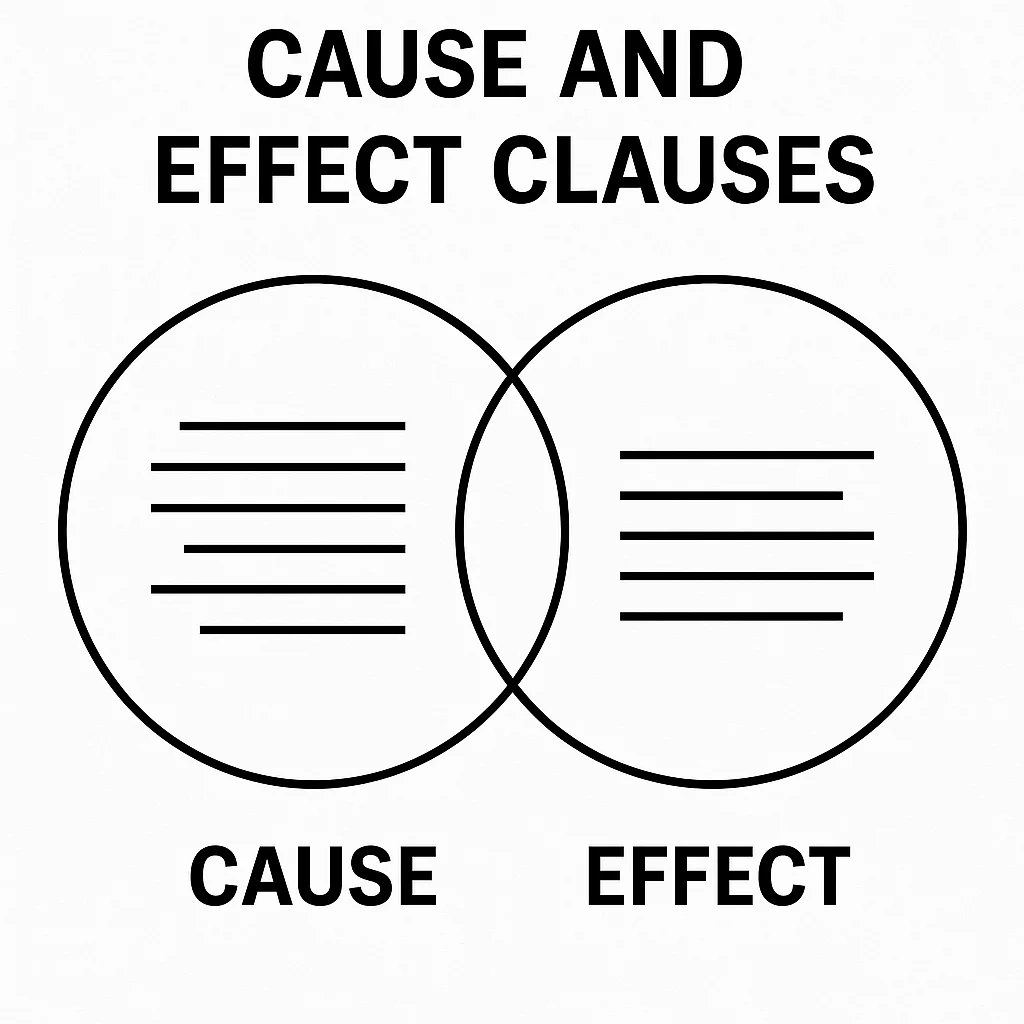
Author’s Column — Tymur LevitinChoose your language Visualizing the balance between meaning and grammar Why Learners Get Stuck on German Word Order Textbooks divide sentences into Hauptsatz (main clause) and Nebensatz (subordinate clause). Learners are often told to memorize lists: This approach leads to mental overload. In conversation, there’s no time to recall which of the 20 conjunctions you’re […]

Tymur Levitin | LEVITIN SCHOOL Tymur Levitin
Read more →