Learning German naturally
German
This is one of the most frustrating experiences in language learning. A learner studies German for: They know grammar. They know vocabulary. They have completed courses. Passed tests. Collected certificates. Yet they still describe themselves using the same sentence: “I feel like a beginner.” Why does this happen? At Levitin Language School and its U.S. […]
 Tymur Levitin
German
What German Teaches Us About Real Language Before you continue, you may want to read the previous articles in this series: • Why German “Because” Confuses Learners — weil vs denn is Not Grammarhttps://levitintymur.com/german/why-german-because-confuses-learners-weil-vs-denn-is-not-grammar/ • Before Grammar Comes Choice: Why Native Speakers Don’t Think in Ruleshttps://levitintymur.com/german/before-grammar-comes-choice-why-native-speakers-dont-think-in-rules/ • Native Speakers Don’t Build Sentences — They Aim […]
Tymur Levitin
Author’s Column | Tymur Levitin on Language, Meaning and Respect
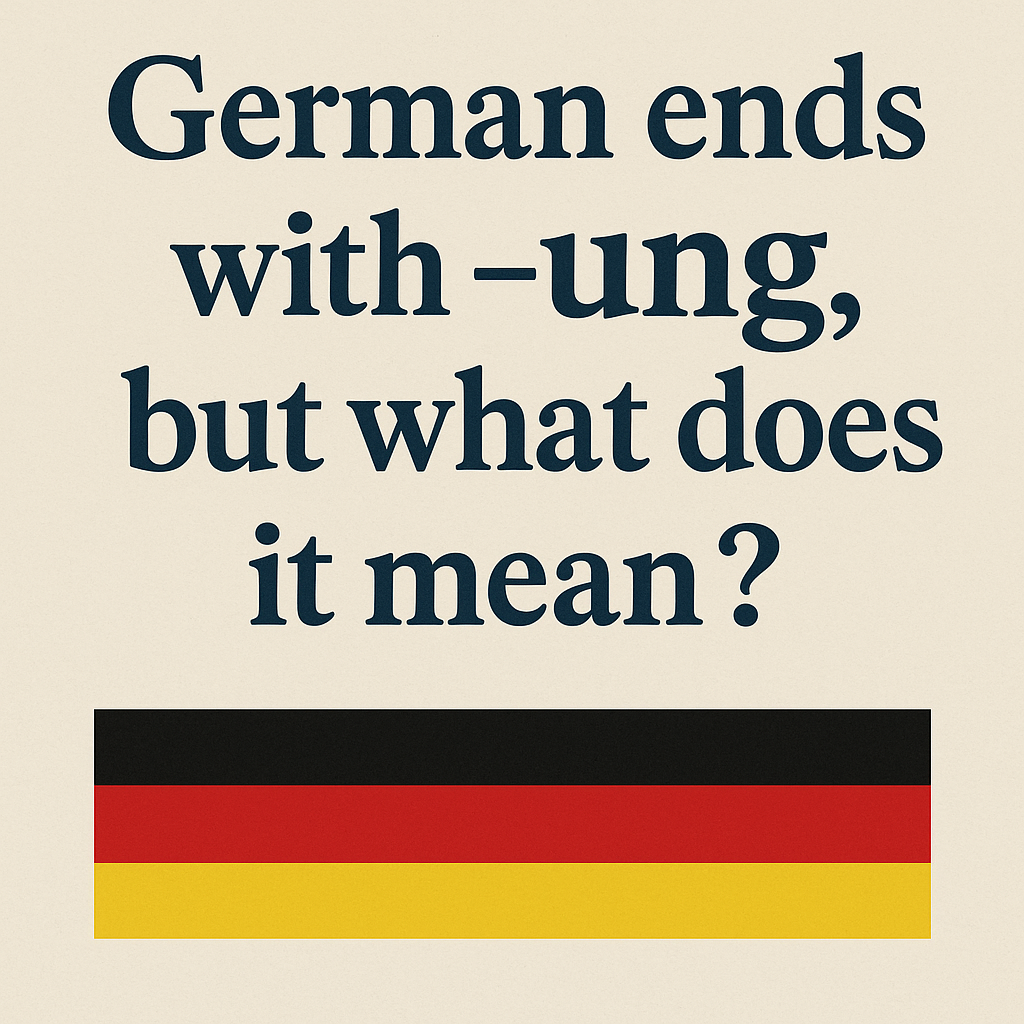
🔗 Choose your language:Explore our German Teachers We see it everywhere in German. -ung. At the end of nouns like Rechnung, Bewegung, Übung, Entwicklung, Aussage, Erfahrung, Verbindung… and many more. But what exactly does -ung mean?And how does it compare to English? 🔸 -ung = a process, a result, or a concept In most cases, -ung nouns come from verbs.They express: In that way, they’re similar to English […]
Tymur Levitin
 Tymur Levitin