Skip to content

modal verbs in English

What Does “Should” Really Mean?
What Does “Should” Really Mean? | LEVITIN SCHOOL
Author’s Column | Tymur Levitin on Language, Meaning and Respect

What Does “Should” Really Mean?

The Logic of Moral Obligation in English and Other LanguagesBy Tymur Levitin, Founder and Senior Instructor, Levitin Language School (Start Language School by Tymur Levitin) At Levitin Language School, we don’t teach rules. We teach meaning.And few words are more misunderstood than the simple word: “should.” Is it a recommendation?A moral duty?A social expectation?A soft command? The […]

Tymur Levitin | LEVITIN SCHOOL Tymur Levitin
• 11.08.2025 • 2 min read
Read full article

modal verbs in English

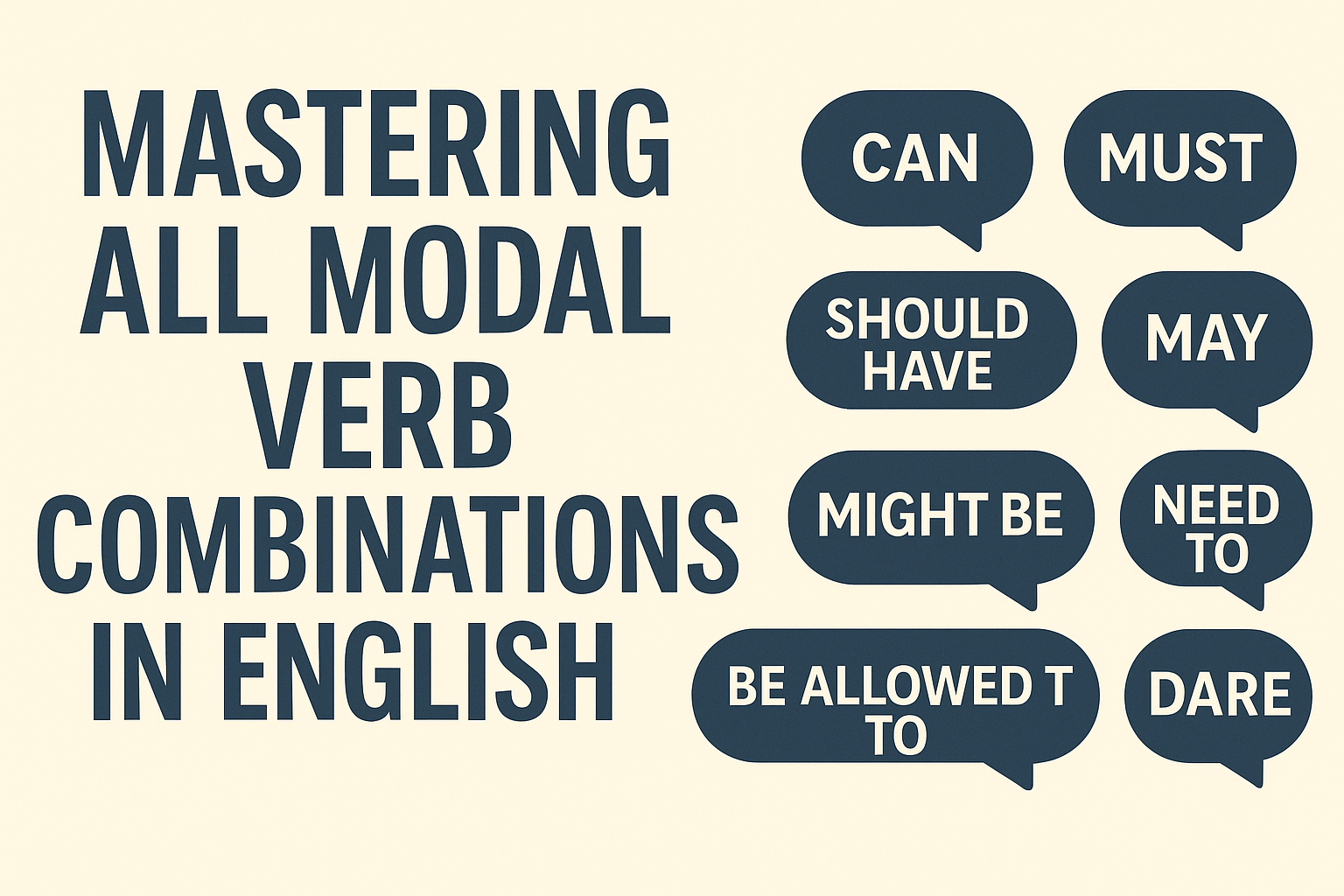
Mastering All Modal Verb Combinations in English: Beyond the Basics | LEVITIN SCHOOL
15.07.2025

Mastering All Modal Verb Combinations in English: Beyond the Basics

Author’s Column | Tymur Levitin on Language, Meaning and Respect

Author: Tymur Levitin, founder, director, teacher and interpreter at Levitin Language School.🌍 Choose your language Why Modal Verbs Are More Than Just “Can” and “Must” Most learners know the basics: can, must, should, may. But modal verbs are far more than that — they’re how English expresses attitude, logic, prediction, criticism, doubt, and permission in the subtlest ways. […]

Tymur Levitin | LEVITIN SCHOOL Tymur Levitin
Read more →